
This week was all about a healthy pregnancy diet (and about not going crazy while organizing a move with pregnancy fatigue and a 1-year old in tow – but that’s another story 😉 ). On Tuesday, I met with Andrea Balazs, a Dubai-based holistic fertility and pregnancy coach, a loving mummy of a 4-year old girl and simply an inspiring woman. I will tell you all about my afternoon coffee with her (we actually had fruit smoothies – much healthier!).
The symptoms I am supposed to have in week 15 (and how I am really feeling)
- Nausea should be gone by now: Yes, definitely! I have started feeling better some weeks ago already. It’s funny how quickly we forget about the less comfortable sides of pregnancy – I can’t even remember how bad I was feeling due to the morning sickness I suffered from during the first pregnancy weeks. I’m just thankful that I am feeling better now 🙂
- Even more energy: Yes, I would say so. And with the imminent move, I really need it! I feel less tired in the evening, even though there are still moments during the day when I just want to lay down for some minutes and relax…
- The baby bump is now clearly visible: Well, I don’t think I need to talk about this anymore after last week’s post 😉 Yes, definitely visible. People are even offering me their seats in the tram and metro (which is quite nice, I have to say!)
- Heartburn: Hmmm, maybe. But rarely. I might feel some acid reflux after a big meal, especially when it was not very healthy (I try to avoid grassy food but sometimes you just don’t have the energy or time to cook… That’s when you opt for something quick – like Nando’s. I love Nando’s, and there is one just next to our building. But I promise, I keep it to a minimum)
Little Miss M
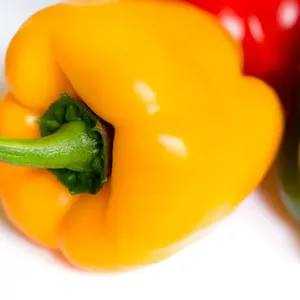
This week, we had the pleasure to see our little girl again (we have decided to do a short scan every month) 🙂 I love these special moments when we can see her happily moving around in my belly and hear her heart beating. After the events of this week (Japan, Beirut and now Paris…), I really needed this today… It gives so much hope and positivity to see your little baby grow. Miss M is now about the size of an avocado – and she will double her weight in the next few weeks! We could see how active she is now! During the scan, she was even covering her face with her arms as if she wanted to say that she was not very pleased about being disturbed 😉 Apparently, she also has the ability to suck her thumb by now – but we didn’t see that today.
This week’s topic
Eating for two – but not twice as much
Nowadays, most pregnant women know the obvious facts about a healthy and safe pregnancy diet: no sushi or raw/ undercooked fish and meat in general; no unpasteurized dairy products to avoid listeria; no seafood or fishes such as swordfish, shark and marlin and only limited amounts of oily fish such as tuna due to their high mercury levels that can harm the growing baby; only thoroughly washed vegetables as they might have been in contact with cat feces to avoid toxoplasmosis; no undercooked eggs or poultry to make sure salmonella bacteria are killed; no canned food (or only when you’re sure the can is BPA free); no alcohol, no cigarettes etc.… Well, the list is long…
So, we usually know what we shouldn’t eat. But how does a healthy, nutritious and balanced pregnancy diet look like? How can we optimize our baby’s development and future health through the food we are eating? These are questions that seem much more complex (and interesting) to me.
So, I decided to meet with someone who can give me some useful nutritional tips and tell me what to eat during the next 5,5 months 🙂 There are several great nutritionists in Dubai but I was rather looking for someone who is specialized in pregnancy-related questions. Andrea Balazs is a fertility and pregnancy coach who has arrived in Dubai nearly 10 years ago. She accompanies pregnant women as well as women dealing with infertility problems through prenatal/postnatal yoga classes, health coaching sessions, as well as LoveYourBelly and Aviva Method workshops (check out her website for more infos). Teaching women how to live a more relaxed, healthier and happier life is her main aim – and a healthy diet obviously plays an important role here.

Andrea Balazs, Fertility & Pregnancy Coach, Dubai
What I liked about Andrea is that she really knows what she is talking about as she had to deal with infertility problems herself. A healthier diet and the right form of exercises changed her life completely – today, she is a proud mummy of a little girl. We met this week and time went by so quickly! It is only when I had a quick look at my watch that I realized that I needed to pick up little L at the nursery.
Andrea told me that nutritional needs change according to your pregnancy trimester. I will obviously not be able to explain everything she told me in just one blog post, but I will try to share some of her top tips. Here you go:
First trimester:
Nausea, constipation, bloating are some of the very attractive terms that accompany the first pregnancy trimester 😉 Here are Andrea’s tips to avoid or, at least, minimize them:
- Bloating: Take the time to chew your food properly when you eat. Eat smaller portions and more often during the day. It might also be important to observe which food combinations cause bloating (for example, your body might not be happy with you combining carbs and protein).
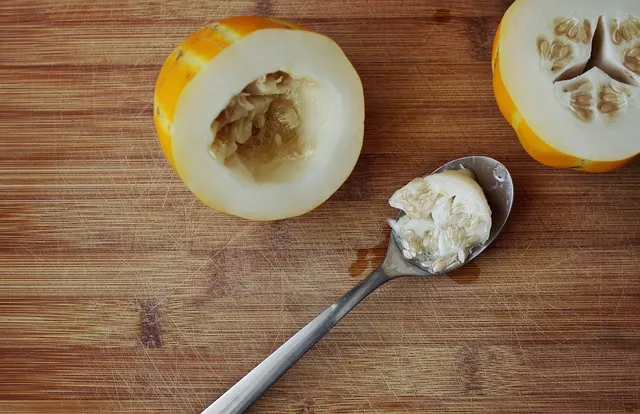
- Constipation: Andrea’s top tip to avoid constipation is flaxseeds and psyllium. You can mix natural yoghurt with whole flaxseeds (don’t take the milled ones) and dried prunes that had previously been soaked in water. Or simply put hot water on whole flaxseeds, let it stand for about 10 minutes, and drink it. You can also use psyllium husks, a natural fibre that will soften your stool. Add one tablespoon to a cup of herbal tea and drink it before going to bed. Both psyllium husk and flaxseeds are known to be safe during pregnancy. Nevertheless, you should always discuss your constipation issues with your doctor before taking anything to soften your stool, flaxseeds and psyllium included. Very importantly, you should also drink enough water when you take one or the other. Finally, rock melon is also great for constipation and provides vital nutrients as well.
- Nausea: Try spirulina, a natural green algae powder (the organic one) that is high in protein and gives you the B-vitamins you need. You can mix it into water or add it to a veggie smoothie to relieve morning sickness. Overall, it is important to make sure you get enough vitamin B6 (good sources are for example avocado, sunflower seeds, pistachio nuts, bananas, dried fruit such as prunes, chicken, potatoes and lentils).
During the first trimester, you should also focus on getting enough iron and folic acid. Your doctor might even recommend taking supplements (Andrea suggests to take iron/folic acid supplements, if recommended, in between meals or before bedtime).
Folic acid is important for the development of your baby’s brain and nervous system. Iron is essential for the hemoglobin production in red blood cells. Great sources include all green leafy vegetables, such as spinach and kale (you could for example prepare a green smoothie) but also broccoli, red meat, chicken, fish, eggs and dried apricots (make sure you buy the ones without sulfur dioxide; meaning they should look rather brownish than orange).
You should also take sufficient amounts of the B-vitamin folic acid or folate as the latter can help reduce spina bifida (meaning the embryonic neural tube doesn’t close properly). Dark green leavy veggies, overnight soaked oats or any fortified cereals and lentils can provide the folic acid/folate you need.
Second trimester:
During the second semester, you should focus on calcium, which is essential for the development of your baby’s bones and teeth, as well as on Vitamin D, which facilitates the absorption of calcium, and Omega 3 fatty acids that boost the development of your little one’s brain.
While we all know that calcium can be found in dairy products and eggs, Andrea suggests replacing cow’s milk by almond milk (or any other nut milk) as it contains even more calcium and minerals. Alternatively, use almond butter, tahini or one teaspoon of sesame seeds per day (you can sprinkle them on your yoghourt). To facilitate the absorption of the calcium, you should spend at least 20 min in the sun every day. Even though this seems easy to do when you live in Dubai, it might actually be a bit of a challenge as the production of vitamin D is hindered by sunscreen. Supplements can be a good idea (always check with your gynecologist first).
Good sources of omega 3 fatty acids include wild salmon, flaxseed (use the whole ones and grind them yourself but always store them in the fridge after grinding), walnuts, as well as chia seeds.
The second trimester is also the ideal time to do some exercises as you have more energy and, usually, suffer less from morning sickness. To keep your blood sugar stable, it is however important to have some protein-rich food with every meal. This does not necessarily mean red meat or chicken. Eggs, nuts and seeds, almond butter, low-fat cheese, yoghourt and avocado are also great sources of protein. Andrea’s top tip: natural yoghourt with chia seeds or chia pudding (chia seeds mixed in almond milk with some honey). Another positive side effect of eating seeds and nuts such as pumpkin and sunflower seeds, as well as cashew nuts? They help minimize stretch marks. We like 😉
Third trimester:
During the third trimester you might want to focus on food that gives you energy. While unrefined carbohydrates, such as wholewheat bread, brown rice, cereals and pasta are important during the whole pregnancy, your need might increase during the last months. By the way, unrefined carbohydrates are also an excellent source of fiber – and fiber helps prevent constipation, a problem that can reappear in the last trimester.
Vitamin K should also appear on your list of priorities during the last pregnancy months. It plays a key role for blood clotting and therefore is important during labor and for the healing process just after. Babies are by the way usually given a vitamin K injection just after birth to avoid too much bleeding. To make sure you get enough of this vitamin, Andrea recommends eating broccoli, kale, asparagus, kiwi and green beans to name but a few.
Now might also be the time of digestive problems, cramps and varicose veins… Here are Andrea’s tips to prevent or reduce them:
- Digestive problems: To help digestion, drink chamomile tea before each meal.
- Varicose veins: Eat plenty of food that is rich in vitamin C to prevent the appearance of varicose veins: citrus fruits, kiwis, berries, tomatoes and spinach!
- Cramps: Cramps can be best avoided with food that is rich in magnesium, such as dark leafy greens (kale, spinach etc.), avocado, beans, yoghourt, banana and – you will like this one – a bit of dark chocolate from time to time. You might however need magnesium supplements if the cramps are too strong. Ask your doctor for advice.
Last but not least, you might want to prevent postnatal depression. Zinc can help you do just that. Make sure you get enough red lentils, beans, beef, as well as pumpkin seeds and cashew nuts 🙂
Of course, it is important to include protein-rich foods, unrefined carbohydrates, vegetables and fresh fruits, as well as iron-rich foods in your meals during all three trimesters. They are all part of a healthy, balanced pregnancy diet. Andrea just wanted to focus on 2-3 key points for each trimester.
To get more information on how Andrea can help you stay healthy, relaxed and fit during your pregnancy, head to her website. You can also find her on Instagram: @simplyinharmony
Thanks so much for your time, your great tips and the lovely afternoon we spent at The Beach 🙂
Andrea’s smoothie recipes for each trimester:
First trimester: The Green Mood Stabilizer
1 orange
1 cup spinach
1 stalk celery
1 cup frozen blackberries
1 tsp spirulina (optional, but recommended)
1 tbsp almond butter
1 cup water (add more depending on how thick you like it)
Honey if you’d like it sweeter
Second trimester: Mango dream
1 mango
1 cup rocket leaves
1 tbsp tahini
1 tbsp chia seed or walnuts
1 tsp spirulina (optional, but recommended)
1 cup coconut milk
Honey (optional)
Third trimester: The Berry Bliss
1 cup frozen strawberries
1/2 or 1 avocado
1 tbsp ground flax seed
1 cup cashew milk
Honey (optional)
All smoothies are blended.

The Berry Bliss
Andrea’s pregnancy coaching packages:
Quick fix – pregnancy and postnatal package
4 sessions including:
– 1 session: birth preparation for the couple
– 1 session: nutrition for breastfeeding
– 1 session: 6 weeks after delivery LoveYourBelly abdominal recovery program
– 1 session: weaning the baby
Ultimate pregnancy coaching package (from 4th month of pregnancy)
8 sessions including
– 6 coaching sessions ( 1 per month)
– 1 session: 6 weeks after delivery LoveYourBelly abdominal recovery program
– 1 session: weaning the baby
For more details and prices, contact Andrea by email ([email protected]) or on her mobile ()
Must haves for Miss M:
Living far away from your family and friends means you take loads, no really, LOADS of pictures of your little ones to send them over. I know how sad our families are to miss all of Luca’s important milestones. So, I usually try to take pictures or even videos of everything he does.
I’m sure we will do the same for Miss M 🙂 (seriously, I don’t know how I will manage the space on my mobile with two kids – already with one, my phone tells me every second day or so that there is no more space left for new pictures…). So, these gorgeous milestone baby cards will be just right to capture our little miss’ milestones and memorable moments. Even for us, it is great not to forget when she smiled or rolled over for the first time.

They are available on http://www.noahsgarden.ae, an online store I absolutely love for their great selection of stylish, natural, organic and environmentally friendly products.
Price: AED 119
xxx
Tani (and my hopefully soon-to-be healthier me 😉 )
Wow, thanks for this post, really useful!
LikeLiked by 1 person
You’re most welcome 😉 glad you like it
LikeLike